
Introduction to Energy-efficient Windows
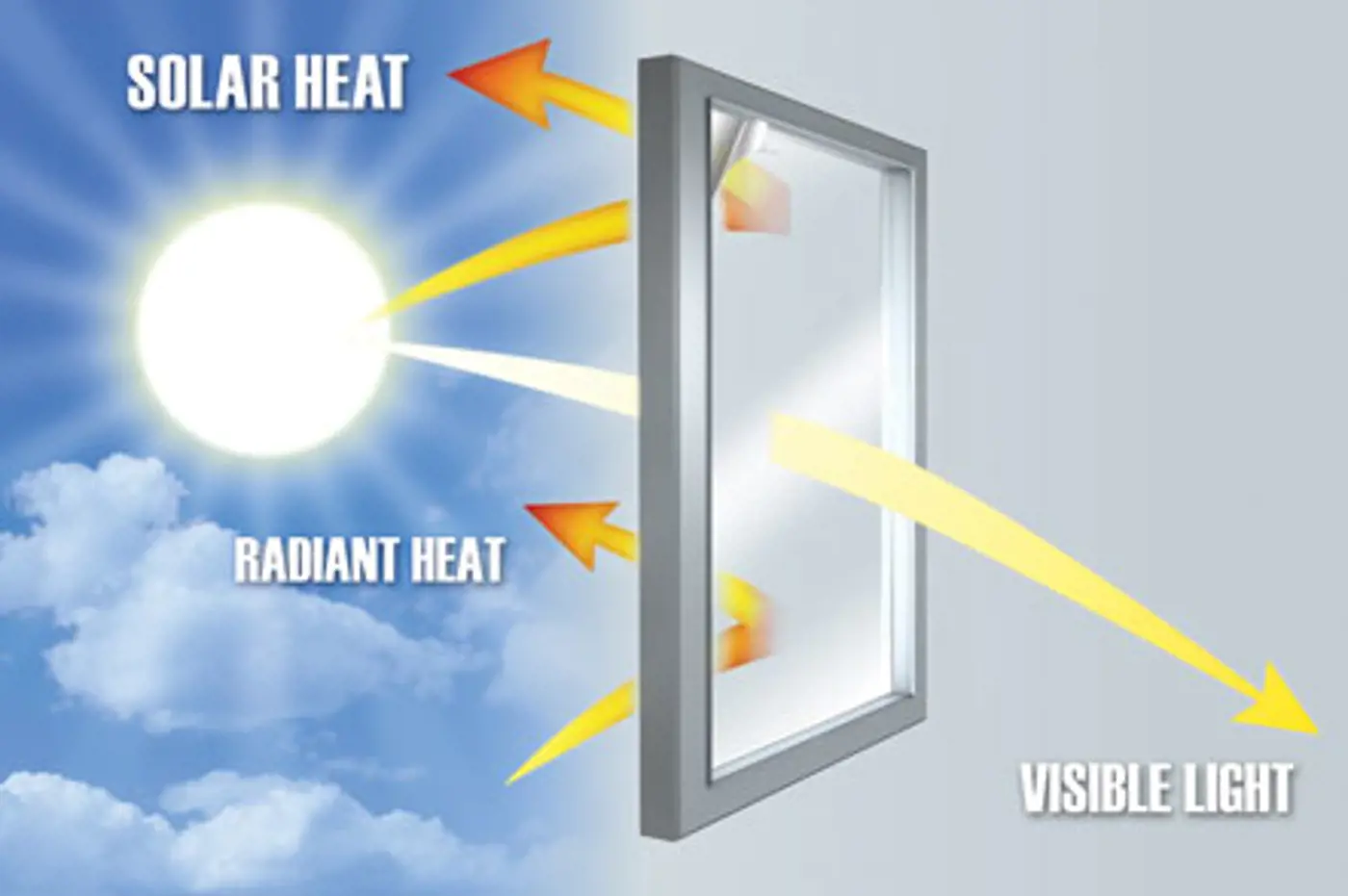
Energy-efficient windows are designed to minimize heat transfer, reducing the need for heating and cooling. These windows can significantly enhance a home’s energy efficiency and comfort levels.
Introduction to Energy-efficient Windows
Energy-efficient windows are designed to minimize heat transfer, reducing the need for heating and cooling. These windows can significantly enhance a home’s energy efficiency and comfort levels.
Introduction to Phantom Loads
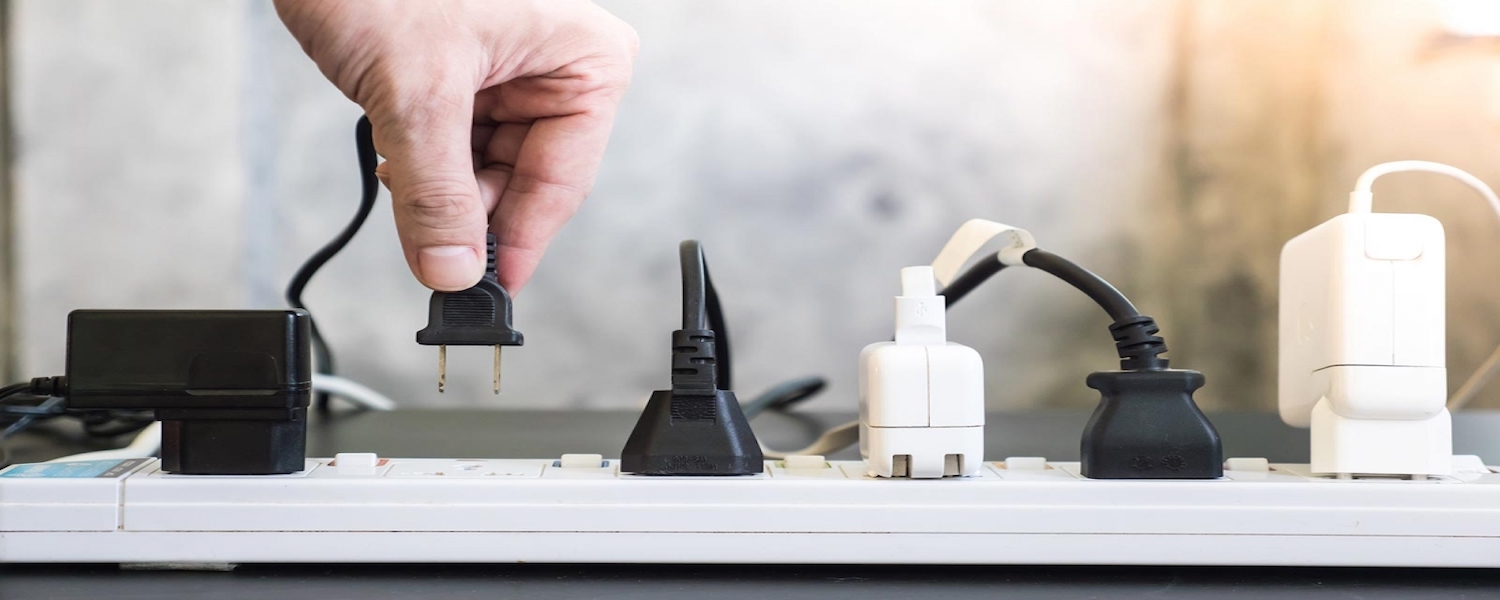
Phantom loads, also known as standby power or vampire power, refer to the energy consumed by electronic devices and appliances when they are turned off but still plugged in. This wasted energy can add up over time, leading to higher energy bills.

Introduction to Energy Star Certification
Energy Star is a government-backed program that certifies products meeting strict energy efficiency guidelines. Energy Star certified products help consumers save money on energy bills and reduce their environmental impact.

Introduction to LED Lighting
LED (light-emitting diode) lighting is an energy-efficient alternative to traditional incandescent and fluorescent bulbs. LEDs use significantly less energy and have a much longer lifespan, making them a smart choice for both residential and commercial lighting.
Introduction to Solar Panels
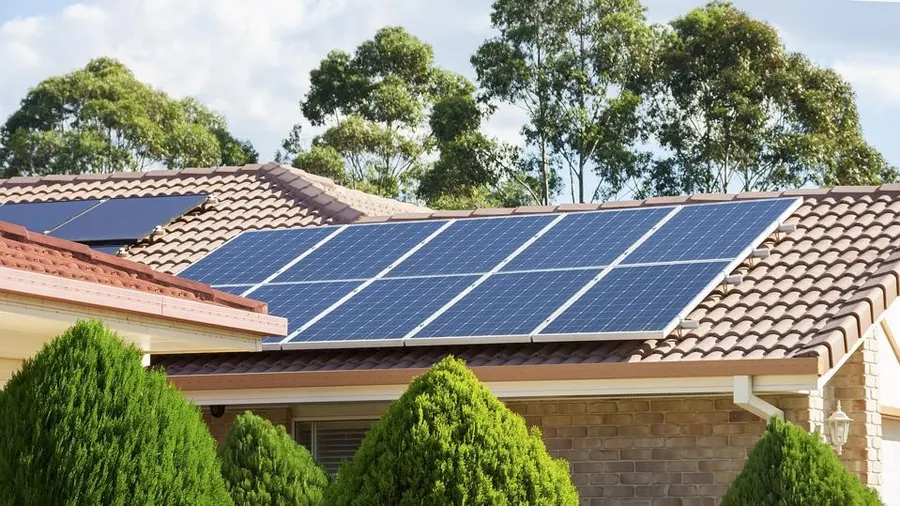
Solar panels harness energy from the sun to generate electricity, offering a sustainable and cost-effective alternative to traditional energy sources. They are increasingly popular among homeowners looking to reduce their energy bills and environmental impact.
Introduction to Home Insulation
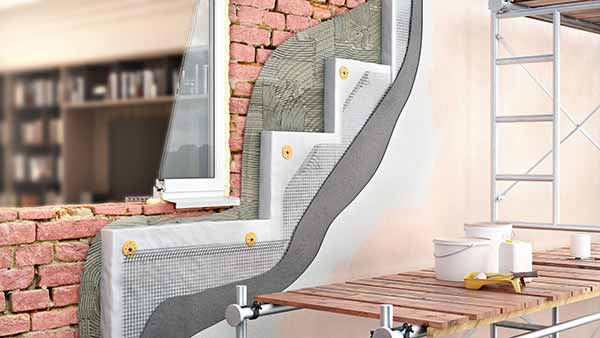
Insulation is a crucial component in maintaining a comfortable indoor temperature and reducing energy costs. Proper insulation helps keep heat inside during winter and outside during summer, leading to significant energy savings.
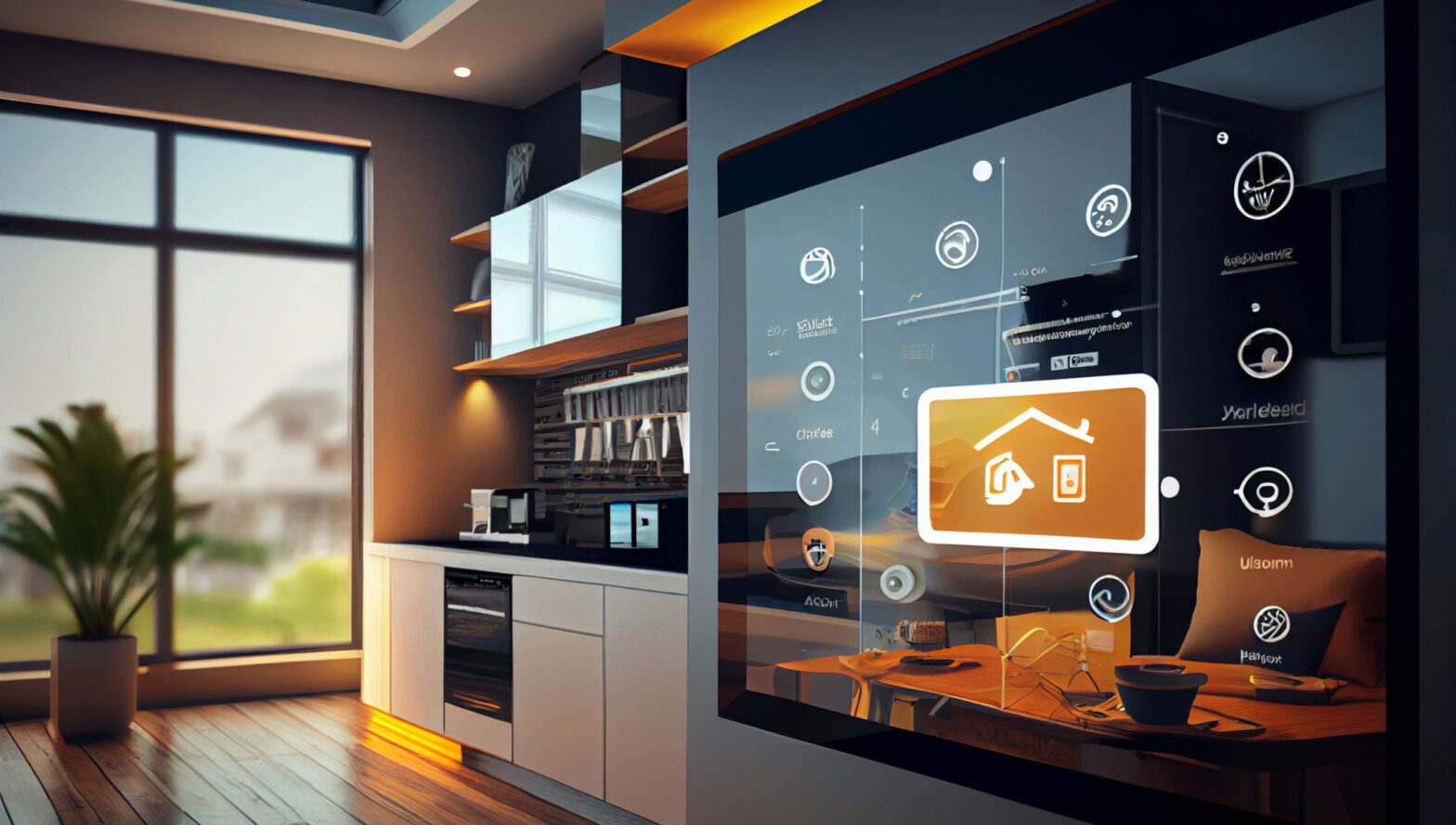

Energy-efficient appliances are designed to use less electricity or water while providing the same level of performance as their traditional counterparts. They are a smart choice for anyone looking to reduce energy consumption and lower utility bills.
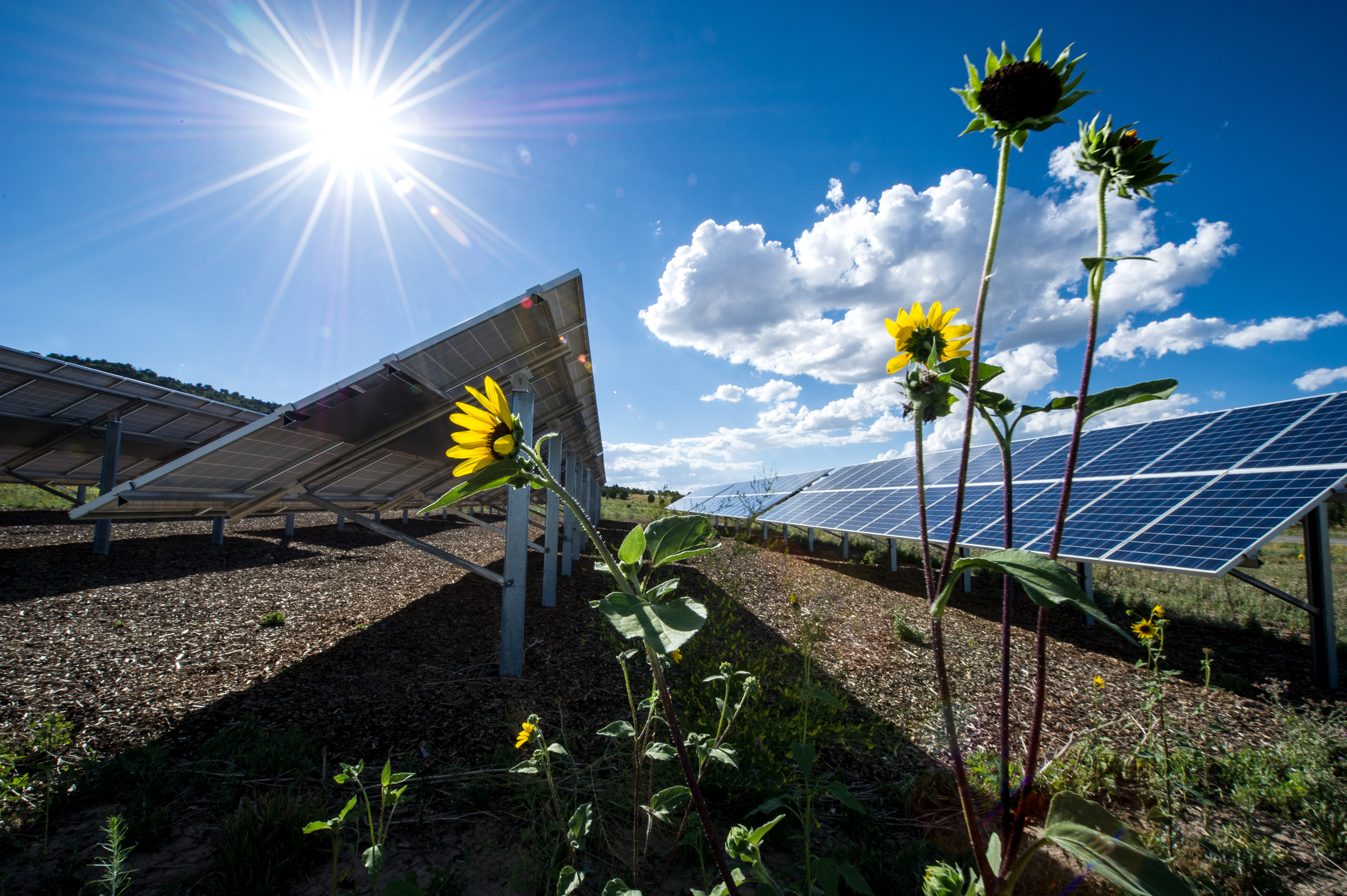
Introduction to Green Energy Benefits
Green energy is not only sustainable but also offers numerous benefits for consumers and the environment. Transitioning to renewable energy sources can significantly impact energy bills and contribute to a cleaner planet.
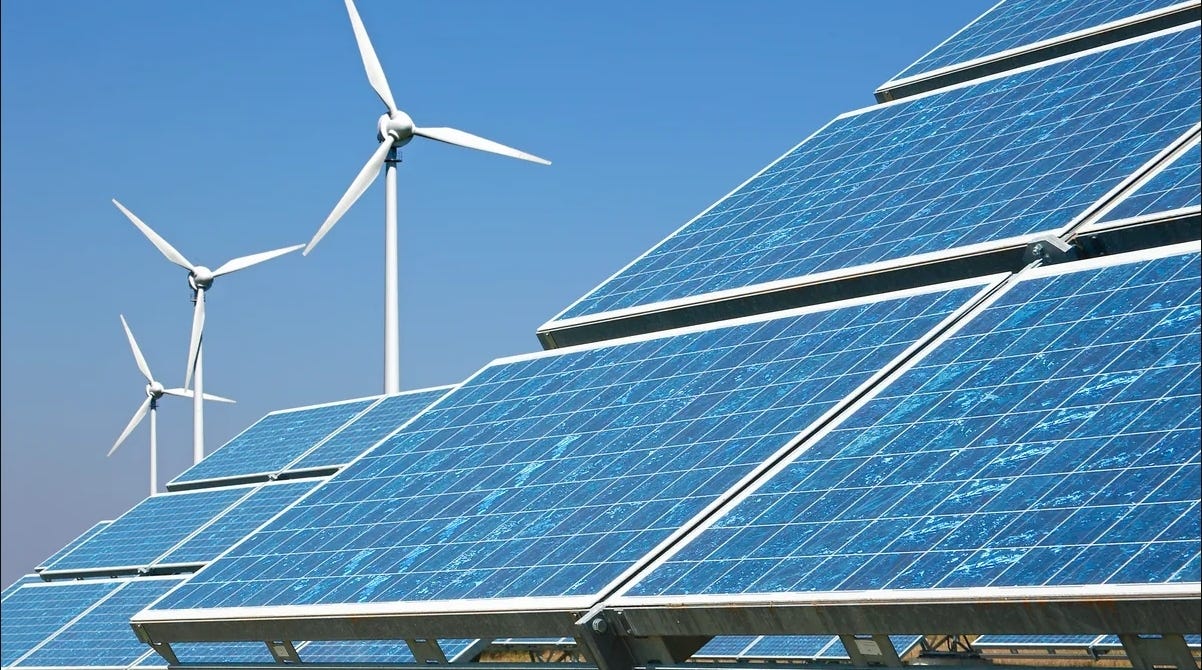
Introduction to Green Energy
Green energy solutions are derived from renewable resources that are naturally replenished, such as solar, wind, and geothermal energy. These alternatives to fossil fuels are crucial in reducing carbon emissions and combating climate change.
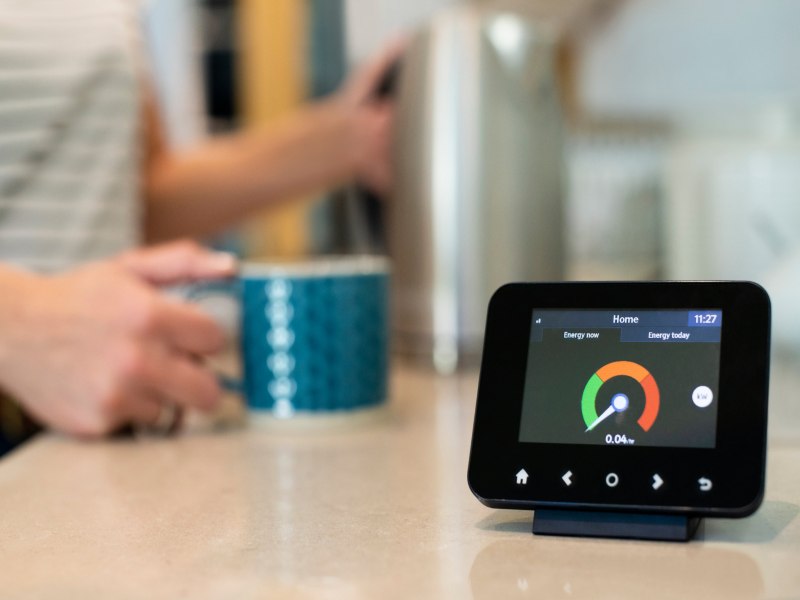
Introduction to Smart Meters
Smart meters are advanced devices that provide real-time data on energy consumption, helping homeowners and businesses manage their energy usage more effectively. Unlike traditional meters, smart meters offer detailed insights into when and how energy is used, allowing for better control and potential cost savings.